Can You Get Medical Cannabis on the NHS in 2026? The Honest Answer
Medical cannabis has been legal on the NHS since 2018, but almost no patients can access it. This guide explains when the NHS will prescribe cannabis, why access is so restricted, and what to do if you cannot get an NHS prescription.
Written and fact-checked by
Dave Mak· Founder & Editor
Dave has researched and written about the UK medical cannabis sector since 2024, focussing on clinic pricing transparency, CQC registration standards, and patient access schemes. All clinic reviews on this site are based on published pricing, verified Trustpilot data, and CQC records.
Reviewed and updated 21 June 2026
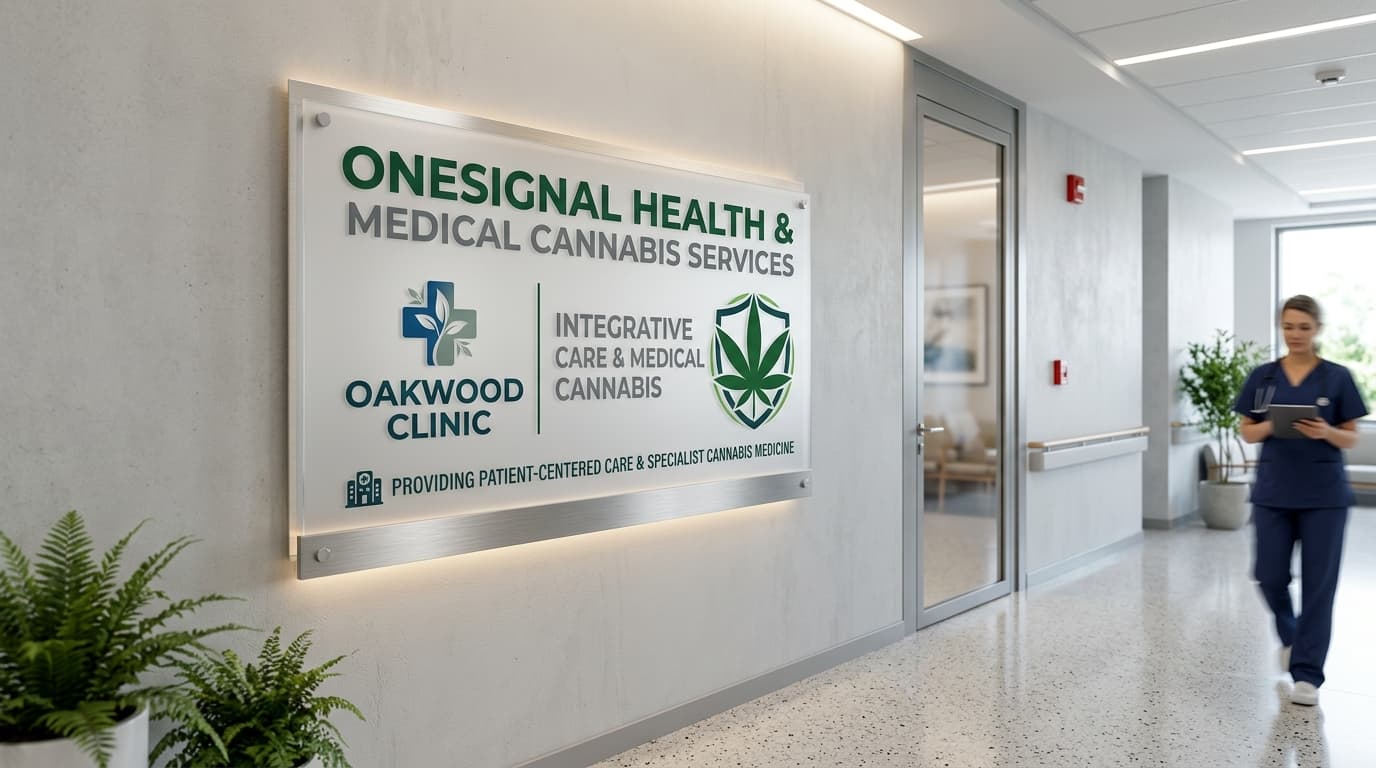
Medical cannabis has been legal in the UK since November 2018. In theory, this means it should be available on NHS prescription. In practice, fewer than 100 NHS prescriptions have been issued since legalisation — out of an estimated 1.4 million UK patients who currently self-medicate with illicit cannabis.
This guide explains why NHS access is so limited, when the NHS will prescribe, and what your options are if you cannot get an NHS prescription.
When Will the NHS Prescribe Medical Cannabis?
The NHS will only prescribe cannabis-based medicines in very specific, narrow circumstances. According to official NHS guidelines:
- Sativex (nabiximols): A THC:CBD mouth spray. It may be prescribed for MS-related spasticity when other treatments have not been effective. This is the most commonly prescribed cannabis-based medicine on the NHS.
- Nabilone: A synthetic cannabinoid. It may be prescribed for severe nausea and vomiting caused by chemotherapy, when other anti-sickness treatments have failed.
- Epidyolex (CBD): A purified CBD oil. It may be prescribed for severe epilepsy syndromes (including Dravet syndrome, Lennox-Gastaut syndrome, and tuberous sclerosis complex) in children and adults.
For all other conditions — including chronic pain, anxiety, depression, PTSD, insomnia, and fibromyalgia — the NHS does not routinely prescribe cannabis-based medicines.
Why Is NHS Access So Restricted?
Several factors limit NHS access to medical cannabis:
- Lack of RCT Trial Evidence: The NHS only approves treatments backed by large-scale randomized controlled trials (RCTs). While there is substantial real-world evidence for cannabis in conditions like chronic pain, formal clinical trials do not yet meet NHS thresholds.
- High Acquisition Cost: Medical cannabis is expensive. NHS local clinical commissioning groups (CCGs) are reluctant to fund treatments that cost thousands of pounds per year.
- Prescriber Responsibility: NHS doctors are personally responsible for their prescribing decisions. Many are reluctant to prescribe unlicensed products due to liability concerns.
- Lack of NICE Approval: The National Institute for Health and Care Excellence (NICE) has not recommended cannabis-based medicines for most conditions. Without NICE approval, CCGs are not obligated to fund prescriptions.
Private Medical Cannabis — The Only Realistic Option
Since 2019, over 30 private clinics have opened to meet the demand that the NHS is not serving. Private prescriptions are legal as long as they are issued by a specialist doctor on the GMC Specialist Register.
All UK private cannabis clinics operate outside the NHS. This means:
- All costs are paid privately by the patient.
- Any patient assessed as clinically suitable by a specialist doctor can receive a prescription.
- Consultations are typically conducted remotely by video call.
- Medication is delivered securely by post from registered specialist pharmacies.
Private vs. NHS — What Is the Difference?
The medical cannabis product itself is identical whether prescribed privately or on the NHS. Both are sourced from licensed UK producers and imported from EU-GMP certified facilities.
| Feature | NHS Prescription | Private Clinic Prescription |
|---|---|---|
| Cost | Theoretically free (NHS prescription charge) | £1,200 – £5,000 per year |
| Conditions | Narrow list (MS, chemotherapy nausea, rare epilepsy) | Broad list (Pain, Anxiety, ADHD, Insomnia, etc.) |
| Waiting Times | Can take months or years | Appointments available within days |
| Product Choice | Limited to specific approved formulations | Access to hundreds of flower and oil lines |
What to Do If You Cannot Get an NHS Prescription
The honest answer is that most patients who want medical cannabis in the UK will need to go private. Fortunately, private access is:
- Legal: Prescriptions are written by fully licensed specialist doctors on the GMC register.
- Accessible: Appointments are available within days via online video consultations.
- Effective: Thousands of UK patients have found relief through private prescriptions.
The first step is to complete a free eligibility check with a private clinic. This takes 2-5 minutes and does not commit you to anything.
Looking for specific strains in Amsterdam?
Don't leave your medical routine to chance. Damlive tracks live coffeeshop menus across Amsterdam so you can find exactly what you need before you arrive.
Medical Disclaimer
This content is for informational purposes only and does not constitute medical advice. Cannabis-based medicines are prescription-only in the UK and must be prescribed by a specialist doctor. Always consult a qualified healthcare professional before starting, changing, or stopping any treatment. Clinic prices and policies change frequently — verify current details directly with the clinic. The GreenPrescription may earn a commission from some clinics listed.
Related Reading
Flying to Amsterdam with a UK Medical Cannabis Prescription
A complete 2026 guide to taking your NHS or private medical cannabis prescription through UK airport security and into the Netherlands legally.
Best Medical Cannabis Clinics UK 2026: Full Comparison — Prices, Ratings & Reviews
Compare all UK medical cannabis clinics by price, Trustpilot rating, and patient reviews. See how Releaf, Mamedica, Alternaleaf, CB1 Medical, Integro, and 25+ other clinics rank in 2026. Find the best clinic for your condition and budget.
The Complete Guide to Medical Cannabis in the UK 2026: How to Get a Prescription
Medical cannabis has been legal in the UK since November 2018, yet most Brits don't know how to access it. This guide covers everything: qualifying conditions, how to find a clinic, what to expect from consultations, costs, and how to get your first prescription.