Medical Cannabis for Chronic Pain in the UK 2026: Conditions, Products, and What to Expect
Chronic pain is the most common reason UK patients seek medical cannabis. This guide covers which conditions qualify, what products are prescribed, real patient outcomes, and how to find a pain specialist cannabis clinic.
Written and fact-checked by
Dave Mak· Founder & Editor
Dave has researched and written about the UK medical cannabis sector since 2024, focussing on clinic pricing transparency, CQC registration standards, and patient access schemes. All clinic reviews on this site are based on published pricing, verified Trustpilot data, and CQC records.
Reviewed and updated 21 June 2026
Chronic pain affects approximately 28 million adults in the UK — around 43% of the population. Despite the scale of the problem, many patients find that conventional treatments provide inadequate relief or cause intolerable side effects.
Medical cannabis has emerged as a clinically viable alternative that is helping thousands of UK patients who have not found relief through standard treatments.
What is Chronic Pain?
Chronic pain is defined as pain lasting more than 3 months, persisting beyond the normal healing time for an injury or illness. Unlike acute pain (which is a temporary warning signal of injury), chronic pain can persist long after the original cause has resolved.
Common types of chronic pain include:
- Neuropathic Pain: Caused by damage or dysfunction in the nervous system, presenting as burning, shooting, or electric shock sensations.
- Musculoskeletal Pain: Pain affecting bones, joints, muscles, ligaments, and tendons.
- Fibromyalgia: Widespread pain accompanied by severe fatigue and sleep issues.
- Migraines & Headaches: Chronic or recurrent severe headaches.
- Cancer-Related Pain: Pain resulting from the disease itself or its treatment (e.g. chemotherapy).
- Complex Regional Pain Syndrome (CRPS): A chronic condition causing severe, persistent pain, usually in one limb.
Why Is Chronic Pain So Difficult to Treat?
Standard treatments for chronic pain often involve:
- Over-the-counter painkillers (paracetamol, ibuprofen)
- Opioid medications (codeine, morphine, tramadol)
- Antidepressants (amitriptyline, duloxetine)
- Anti-epileptic medications (gabapentin, pregabalin)
- Physiotherapy and exercise programmes
- Cognitive behavioural therapy (CBT)
Many patients find that these treatments either don't work well enough or cause side effects that are as debilitating as the pain itself. Opioids in particular carry significant risks of dependence, tolerance, and organ strain with long-term use.
How Does Medical Cannabis Help Chronic Pain?
Medical cannabis works through the body's endocannabinoid system (ECS), which plays a key role in regulating pain, mood, sleep, and immune function.
- THC binds to cannabinoid receptors in the nervous system, altering how the brain processes pain signals.
- CBD works through multiple non-receptor pathways to reduce inflammation and ease secondary symptoms like anxiety.
Research from the UK Medical Cannabis Registry and clinical studies has shown:
- 60% of chronic pain patients achieved clinically significant pain reduction.
- Opioid use decreased in 59.9% of patients after starting medical cannabis (Leva Clinic outcomes data).
- Sleep quality improved in the majority of patients.
- Anxiety and depression co-morbidities often improved alongside pain levels.
Conditions Treated with Medical Cannabis for Pain in the UK
UK private clinics commonly prescribe for the following chronic pain conditions:
- Fibromyalgia (widespread pain, fatigue, and tender points)
- Arthritis (joint pain and inflammation from osteoarthritis and rheumatoid arthritis)
- Back Pain & Sciatica (including herniated discs, spinal stenosis, and non-specific back pain)
- Neuropathic Pain (including diabetic neuropathy, trigeminal neuralgia, and post-surgical pain)
- Migraines (chronic or frequent migraine with or without aura)
- Endometriosis (chronic pelvic pain associated with the condition)
- Complex Regional Pain Syndrome (CRPS) (severe pain affecting one limb)
- Ehlers-Danlos Syndrome & Hypermobility (causing chronic joint pain)
- Cancer-Related Pain (from the disease or from treatments like chemotherapy)
What Products Are Prescribed for Chronic Pain?
- Dried Cannabis Flower: Prescribed in 5g or 10g tubs. This flower is vaporised using a medical vaporiser — never smoked. High-THC Sativa-dominant strains are typically used for daytime relief, while Indica-dominant strains are preferred for evening use and sleep.
- Sublingual Cannabis Oils: Dropped under the tongue. Oils provide gradual, long-lasting relief (4-8 hours) compared to inhalation (2-4 hours).
- Balanced Strains (THC:CBD): For patients who need pain relief without strong psychoactive intoxication.
Finding a Pain Specialist Cannabis Clinic
Not all UK clinics have the same expertise in pain management. Some clinics specifically focus on chronic pain conditions and have pain specialists on their clinical team.
When choosing a clinic for chronic pain, look for:
- Pain medicine specialists on the clinical team.
- Experience with your specific condition.
- A broad product range that includes both flower and oil options.
- Published outcomes data on pain reduction.
Leva Clinic and Treat It are the most specialist pain-focused clinics in the UK. Leva's clinical team includes NHS pain medicine consultants and they publish proprietary outcomes data. Treat It has the highest patient ratings of any pain-focused clinic.
What to Expect from Your Consultation
At a chronic pain cannabis consultation, the specialist will:
- Review your medical history and previous treatments.
- Assess your pain — location, intensity, triggers, and impact on daily life.
- Discuss your current medications and any side effects you experience.
- Determine if medical cannabis is appropriate for your specific case.
- Agree on a treatment plan and initial product/dosage.
The consultation is thorough — typically 30-60 minutes for an initial appointment. Bring any relevant medical records, specialist letters, or lists of current medications.
Looking for specific strains in Amsterdam?
Don't leave your medical routine to chance. Damlive tracks live coffeeshop menus across Amsterdam so you can find exactly what you need before you arrive.
Medical Disclaimer
This content is for informational purposes only and does not constitute medical advice. Cannabis-based medicines are prescription-only in the UK and must be prescribed by a specialist doctor. Always consult a qualified healthcare professional before starting, changing, or stopping any treatment. Clinic prices and policies change frequently — verify current details directly with the clinic. The GreenPrescription may earn a commission from some clinics listed.
Related Reading
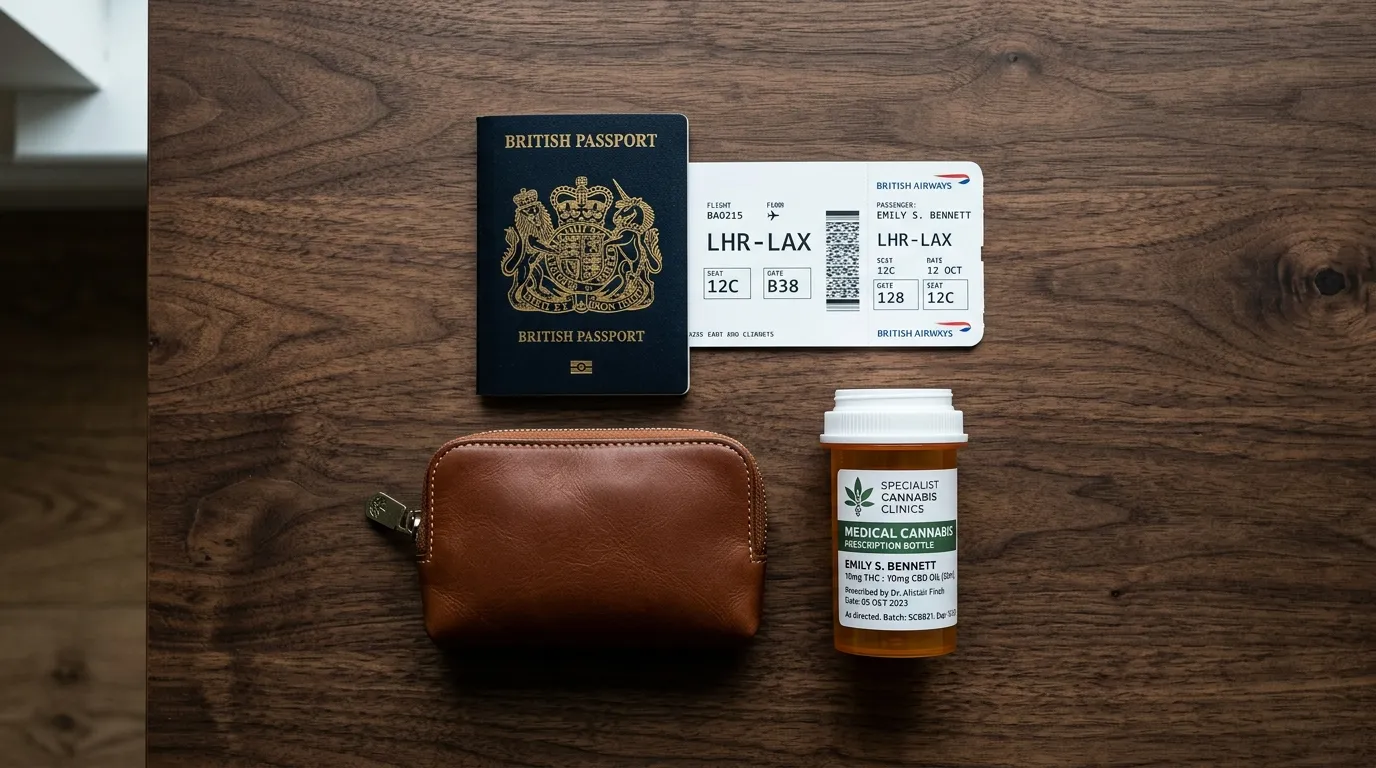
Flying to Amsterdam with a UK Medical Cannabis Prescription
A complete 2026 guide to taking your NHS or private medical cannabis prescription through UK airport security and into the Netherlands legally.
Best Medical Cannabis Clinics UK 2026: Full Comparison — Prices, Ratings & Reviews
Compare all UK medical cannabis clinics by price, Trustpilot rating, and patient reviews. See how Releaf, Mamedica, Alternaleaf, CB1 Medical, Integro, and 25+ other clinics rank in 2026. Find the best clinic for your condition and budget.

The Complete Guide to Medical Cannabis in the UK 2026: How to Get a Prescription
Medical cannabis has been legal in the UK since November 2018, yet most Brits don't know how to access it. This guide covers everything: qualifying conditions, how to find a clinic, what to expect from consultations, costs, and how to get your first prescription.